Autoimmune Diseases: Inflammation, Oxidative Stress & the Science Behind Txao

by in Txao

Have you ever wondered why more people around you seem to be living with autoimmune diseases?

Could environmental changes and modern lifestyle factors be contributing to this trend?

Could a natural supplement offer a way to support the body’s antioxidant defenses?

To explore these questions, we need to understand the relationship between inflammation and oxidative stress, and the research behind the ingredients in Txao.

Are We Seeing More Autoimmune Diseases?

Have you noticed that autoimmune diseases seem to be receiving more attention today?

You’re not imagining it.

Autoimmune conditions have been on a significant rise.

Studies show that their prevalence has been increasing.

In fact, in developed nations, it’s estimated that around 1 in 10 to 1 in 20 people may be living with an autoimmune condition.

Environmental changes, modern diets, and lifestyle factors are being studied as a trigger.

Greater awareness and improvements in diagnosis may also contribute to the number of cases identified.

However, it is clear: autoimmune diseases are becoming more common.

Understanding Autoimmune Diseases

Have you ever wondered how your immune system, designed to protect you, can turn against your own body?

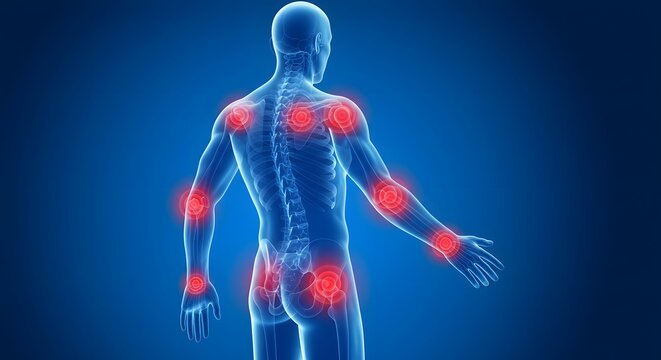
Autoimmune diseases occur when immune responses mistakenly target the body’s own healthy tissues.

This leads to inflammation and tissue damage.

Why this happens is complex.

What Factors May Contribute to Autoimmune Diseases?

Several factors are being investigated for their potential roles in autoimmune disease development.

Environmental exposures: Pollutants, chemicals and infections are among the factors researchers have studied. Their effects vary, and researchers continue to investigate how different exposures may influence immune function.

Diet and lifestyle: Diet quality, physical activity and sleep can influence general health and aspects of inflammatory biology. We are still learning about their roles in autoimmune diseases.

Gut health: The gut microbiome interacts with the immune system. Changes in the composition of gut microorganisms may be associated with immune regulation and certain autoimmune conditions.

The hygiene hypothesis: This hypothesis proposes that changes in early-life exposure to microorganisms may influence immune development.

The Role of Inflammation

Inflammation is part of the body’s normal defense and repair processes.

In autoimmune diseases, inflammatory activity can persist.

If left unchecked, it can lead to more serious issues.

Another important area of research is oxidative stress.

The body naturally produces reactive oxygen species (ROS) during normal cellular activity.

However, oxidative stress can occur when reactive molecules place excessive demands on the body’s antioxidant defenses.

Inflammation and oxidative stress are interconnected.

Inflammatory activity can increase the production of reactive molecules, while oxidative processes can influence inflammatory signaling.

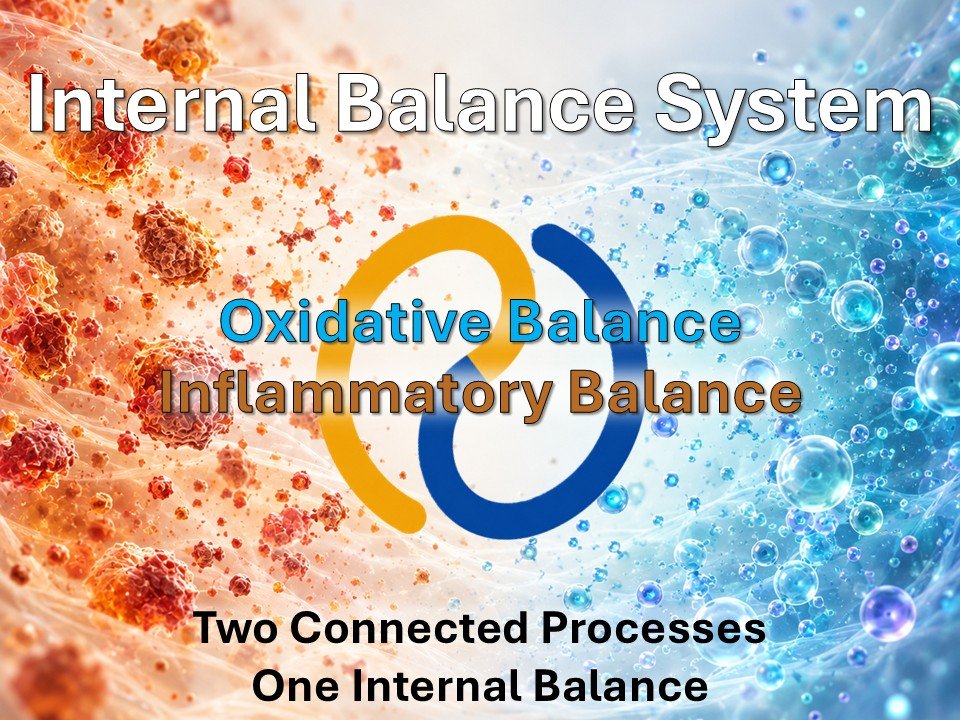
This relationship provides the biological context for the Txao Internal Balance System.

The Txao Internal Balance System

The relationship between oxidative stress and inflammatory pathways is an important part of the thinking behind Txao’s formulation.

The Internal Balance System is built around two connected areas of biology.

01 — Oxidative Balance

Antioxidant defenses help the body manage reactive molecules generated through normal cellular activity and other biological processes.

02 — Inflammatory Balance

Together, these two areas form the biological framework behind Txao.

Rather than focusing on individual ingredients alone, the Internal Balance System connects their roles within one considered formulation.

Learn more about Internal Balance System →

Curcumin: The Anti-Inflammatory Powerhouse

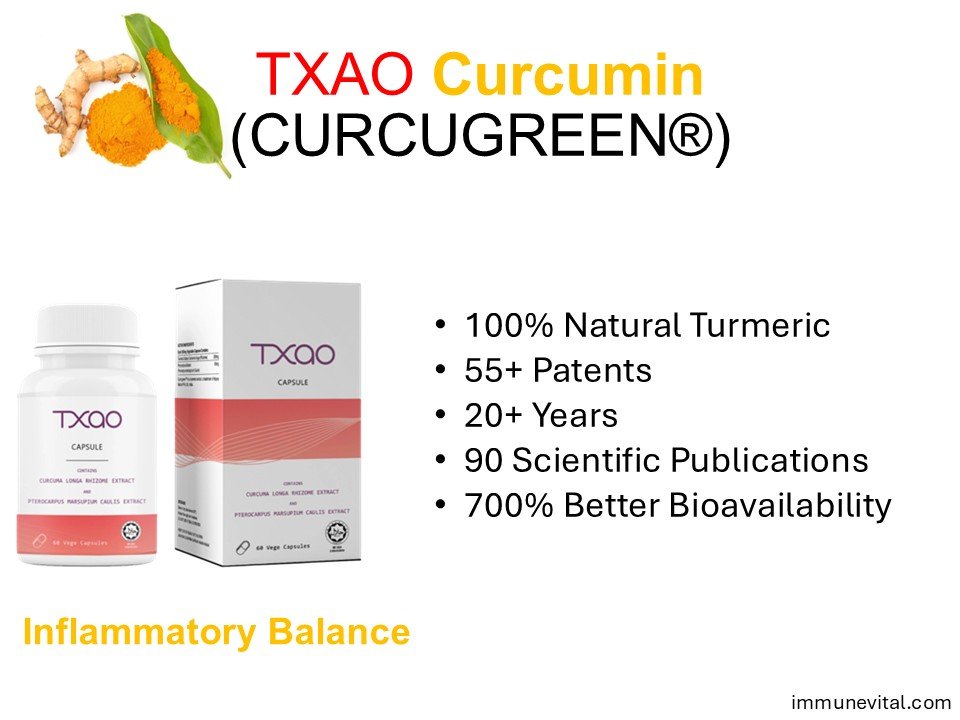
Curcumin is a principal bioactive compound found in turmeric (Curcuma longa). It has attracted considerable scientific interest because of its antioxidant properties and its effects on inflammatory signaling pathways.

Research suggests that curcumin can influence molecules and cellular pathways involved in inflammatory responses. Studies have also examined its relationship with oxidative stress.

A 2022 systematic review and meta-analysis by Zeng and colleagues examined 31 randomized controlled trials involving curcumin or Curcuma longa extracts across 10 types of autoimmune disease. The review reported encouraging findings in some conditions, including rheumatoid arthritis, psoriasis and ulcerative colitis.

The researchers discussed possible mechanisms involving regulatory T cells (Tregs) and inflammatory markers, including C-reactive protein (CRP), erythrocyte sedimentation rate (ESR), TNF-α, TGF-β1 and IL-6.

A 2019 review by Yang and colleagues examined research into curcumin in autoimmune and rheumatic diseases. They found that curcumin supplementation emerges as an effective therapeutic agent with minimal-to-no side effects, which can be added in conjunction to current
standard of care.

Pterostilbene: Enhanced Anti-oxidant Support

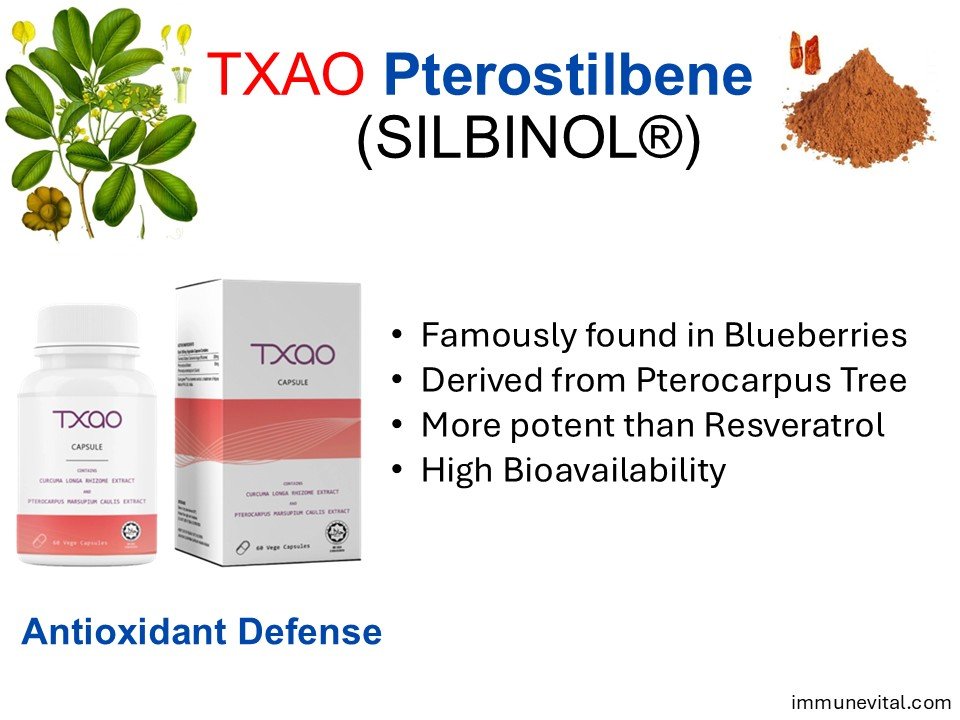
Pterostilbene is a naturally occurring polyphenol related to resveratrol. Researchers have investigated its antioxidant properties and its effects on inflammatory and immune-related processes.

A 2013 study by Perecko and colleagues investigated pterostilbene’s effects on neutrophil activity in an experimental model of arthritis. The study indicates that the promising effects of pterostilbene on reactive oxygen species operate by different mechanisms. These findings provide insight into pterostilbene’s potential interactions with inflammatory processes

A 2020 study by Yashiro and colleagues investigated pterostilbene’s effects on dendritic cells and regulatory T-cell development. The researchers reported changes in immune-cell activity in laboratory experiments and reduced colonic inflammation.

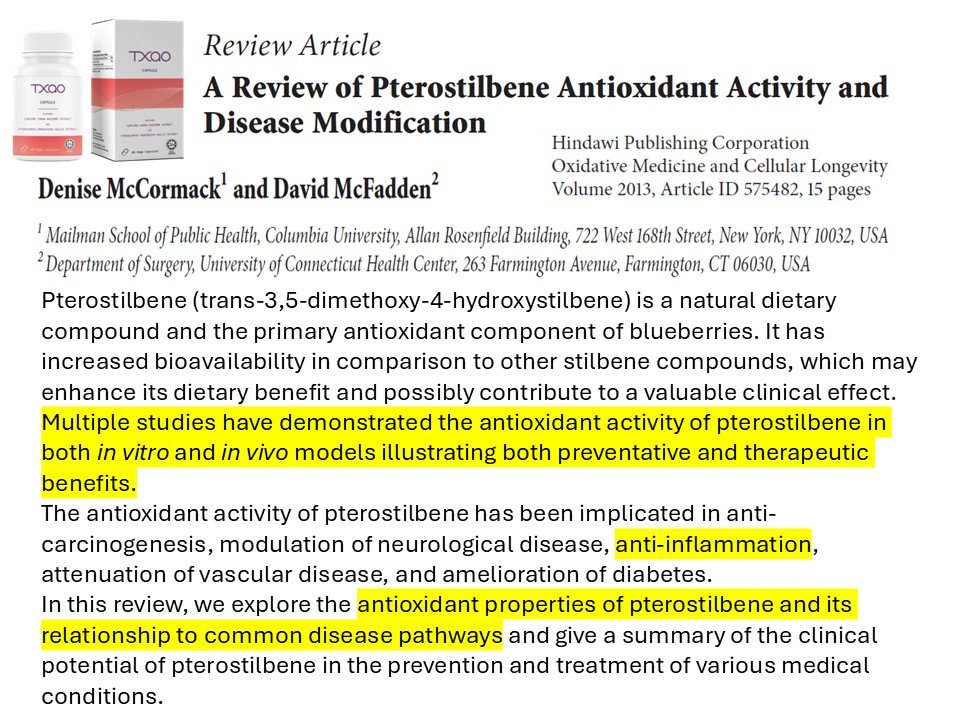
This review highlights pterostilbene’s antioxidant activity and potential anti-inflammatory effects, which may help modulate oxidative stress and inflammation associated with various disease processes.

Why Internal Balance Matters
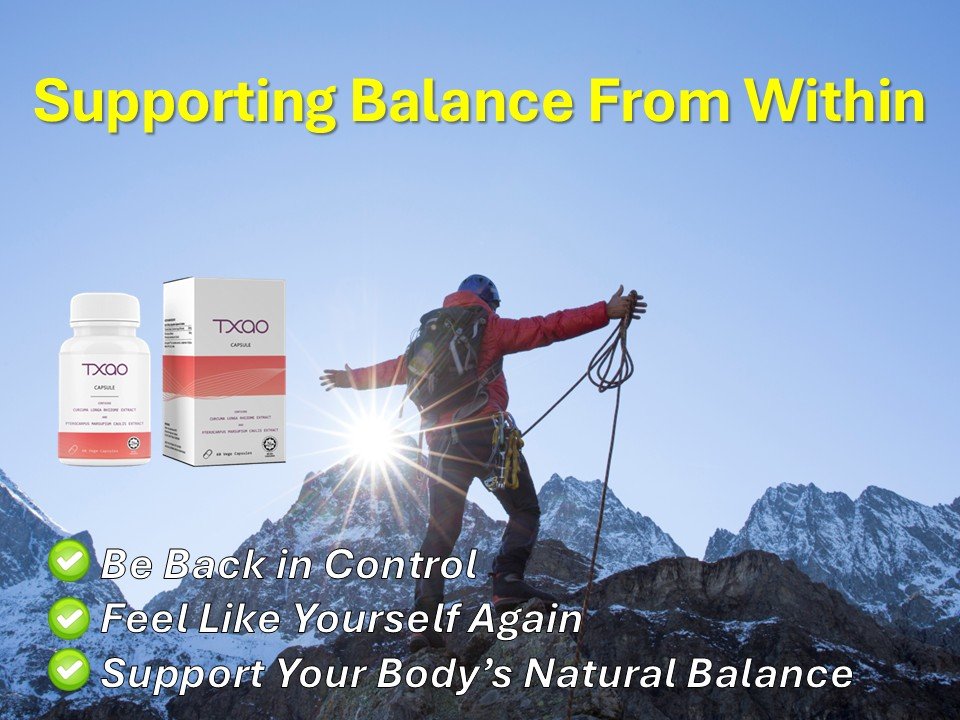
Autoimmune diseases can involve persistent inflammation.

Research explains how oxidative stress and inflammatory pathways influence one another.

This is the science behind the Txao Internal Balance System.

By bringing together CurcuGreen® Curcumin and Silbinol® Pterostilbene, Txao takes a system-led approach to these connected areas of biology.

Oxidative Balance + Inflammatory Balance

The goal is to support the body’s antioxidant defenses as part of daily health maintenance.

Frequently Asked Questions About Txao

1. How does Txao support internal balance?

Txao is built around the relationship between oxidative balance and inflammatory balance. Its Internal Balance System brings together CurcuGreen® Curcumin and Silbinol® Pterostilbene, two ingredients studied for their roles in antioxidant and inflammatory biology. By combining them in a deliberately developed formulation, Txao takes a system-led approach to daily antioxidant support and general health maintenance.

2. I’ve been managing my autoimmune disease with medication. Can I take Txao alongside my current treatment?

Many people managing long-term health conditions are interested in ways to support their general health alongside their usual care. If you have an autoimmune condition or take medication, speak with your healthcare professional before adding Txao to your routine. They can help you decide what is appropriate for your individual needs. Continue your prescribed treatment as directed.

3. How long will it take to notice benefits from Txao?

Txao is designed to be part of a consistent daily health-maintenance routine. Individual experiences can vary depending on overall health, lifestyle and other factors, so there is no fixed timeline for noticing changes. Make consistency part of your daily routine.

4. What makes Txao different from other supplements?

Txao is more than a combination of two ingredients. Its Internal Balance System connects the biology behind oxidative balance and inflammatory balance with a deliberately developed formulation. CurcuGreen® Curcumin and Silbinol® Pterostilbene are combined in a considered ratio using a dedicated mixing process designed to produce a homogeneous blend. The formulation ratio and mixing process are intentional parts of the design.

This is the thinking behind Txao: start with the biological system, then build the formulation around it.

5. Are there any side effects associated with taking Txao?

Individual tolerance can vary. Curcumin supplements may cause brief digestive discomfort in some people. Consult your healthcare professional if you have an existing medical condition, take medication or experience any unusual symptoms.

6. Is Txao suitable for long-term use?

Txao is intended to be taken as part of a regular health-maintenance routine. If you have an ongoing medical condition or take medication regularly, consult your healthcare professional about continued use.
Discover Txao →


References:

Zeng L, Yang T, Yang K, Yu G, Li J, Xiang W, Chen H. Curcumin and Curcuma longa Extract in the Treatment of 10 Types of Autoimmune Diseases: A Systematic Review and Meta-Analysis of 31 Randomized Controlled Trials. Front Immunol. 2022 Aug 1;13:896476.

Yang M, Akbar U, Mohan C. Curcumin in Autoimmune and Rheumatic Diseases. Nutrients. 2019 May 2;11(5):1004.

Perecko T, Drabikova K, Lojek A, Ciz M, Ponist S, Bauerova K, Nosal R, Harmatha J, Jancinova V. The effects of pterostilbene on neutrophil activity in experimental model of arthritis. Biomed Res Int. 2013;2013:106041.

Yashiro T, Yura S, Tobita A, Toyoda Y, Kasakura K, Nishiyama C. Pterostilbene reduces colonic inflammation by suppressing dendritic cell activation and promoting regulatory T cell development. FASEB J. 2020 Nov;34(11):14810-14819.

McCormack D, McFadden D. A review of pterostilbene antioxidant activity and disease modification. Oxid Med Cell Longev. 2013;2013:575482.

    Select your currency
    MYR Malaysian ringgit
    Cart