



Your Gut and Immune System: Connected for Life

Your Gut and Immune System: Connected for Life

A healthy gut is about more than digestion.
It is also an important part of your immune health.
Your gut contains trillions of microorganisms that interact with your body and its immune system.
This relationship helps shape how your body responds to its environment and continues to evolve throughout life.
From early immune development in childhood to the changes that occur as we age, understanding the connection between your gut and immune system is an important part of understanding your overall health.
Your Immune System Changes Throughout Life
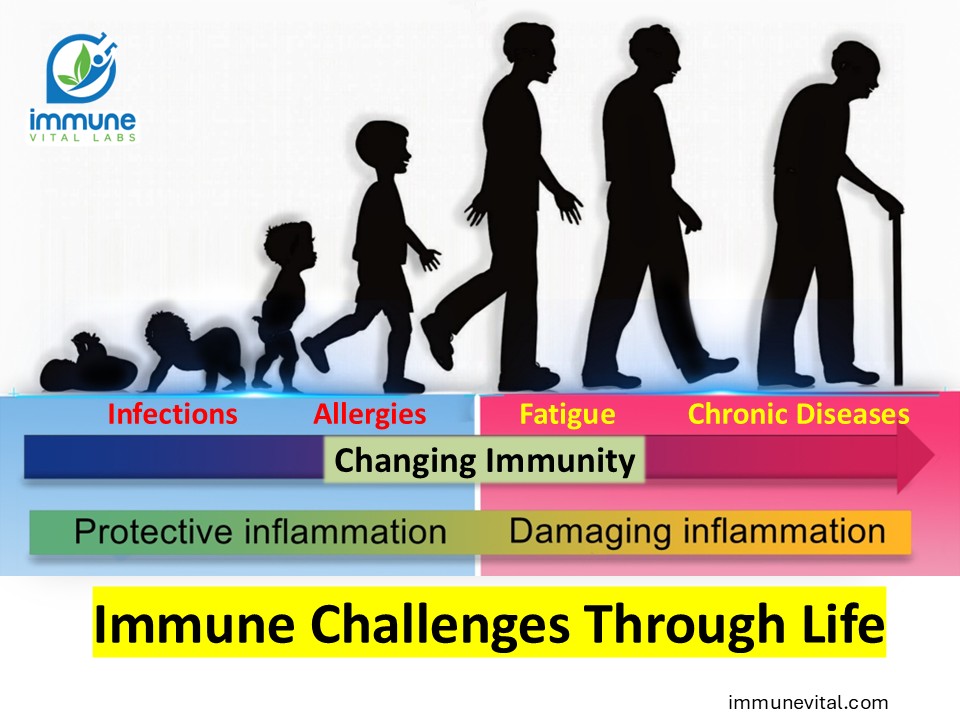
Your immune system is not static. It develops, adapts and changes as you grow older.
During infancy and childhood
The immune system is still developing. It learns to recognize potential threats while building tolerance to harmless substances. At the same time, the gut microbiome is developing, helping establish an important relationship between the gut and immune system.
During adulthood
The gut microbiome continues to respond to everyday influences, including diet, lifestyle, medications and environmental factors. Maintaining a healthy gut environment is one part of supporting the relationship between your gut and immune system.
As we age
The immune system undergoes gradual changes, affecting how the body responds to infections and other immune challenges. The gut microbiome also changes with age, making the gut–immune relationship an important area of ongoing research.
Why Does the Choice of Probiotic Matter?
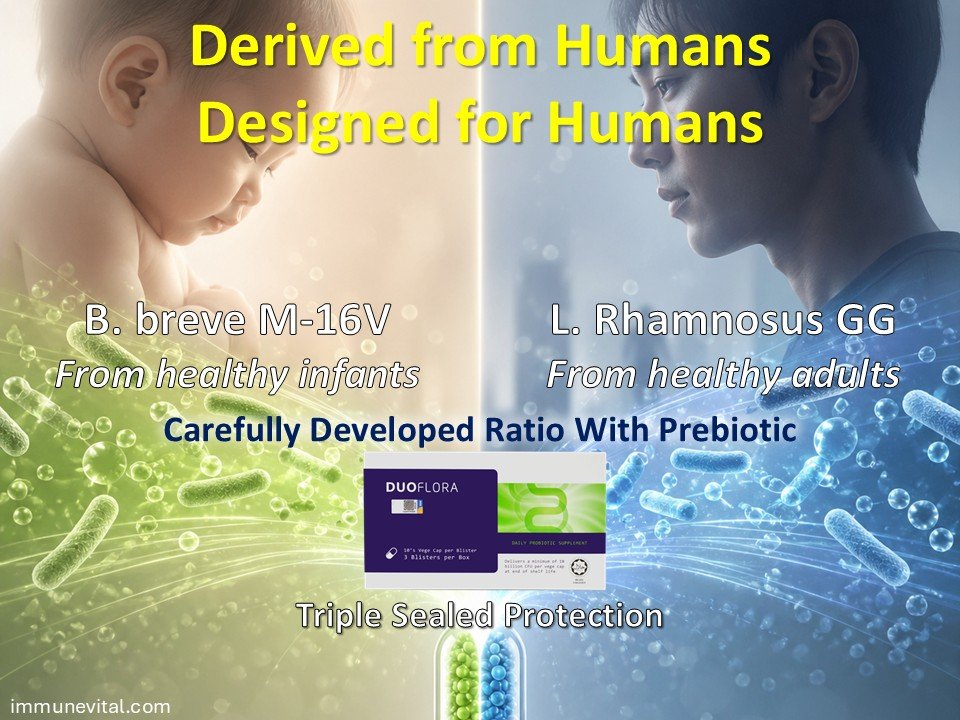
Not all probiotics are the same.
Different probiotic strains have different characteristics and have been studied for different purposes.
Research involving one strain cannot automatically be applied to another.
That is why choosing a probiotic should go beyond simply looking at the number of bacteria or the total CFU count.
Duoflora brings together two well-studied human-derived probiotic strains:
- Lactobacillus rhamnosus GG (LGG)
- Bifidobacterium breve M-16V
Each strain has its own research background and characteristics. Together, they form a carefully selected combination guided by a broader understanding of the gut–immune relationship.
The Gut Immune Balance System
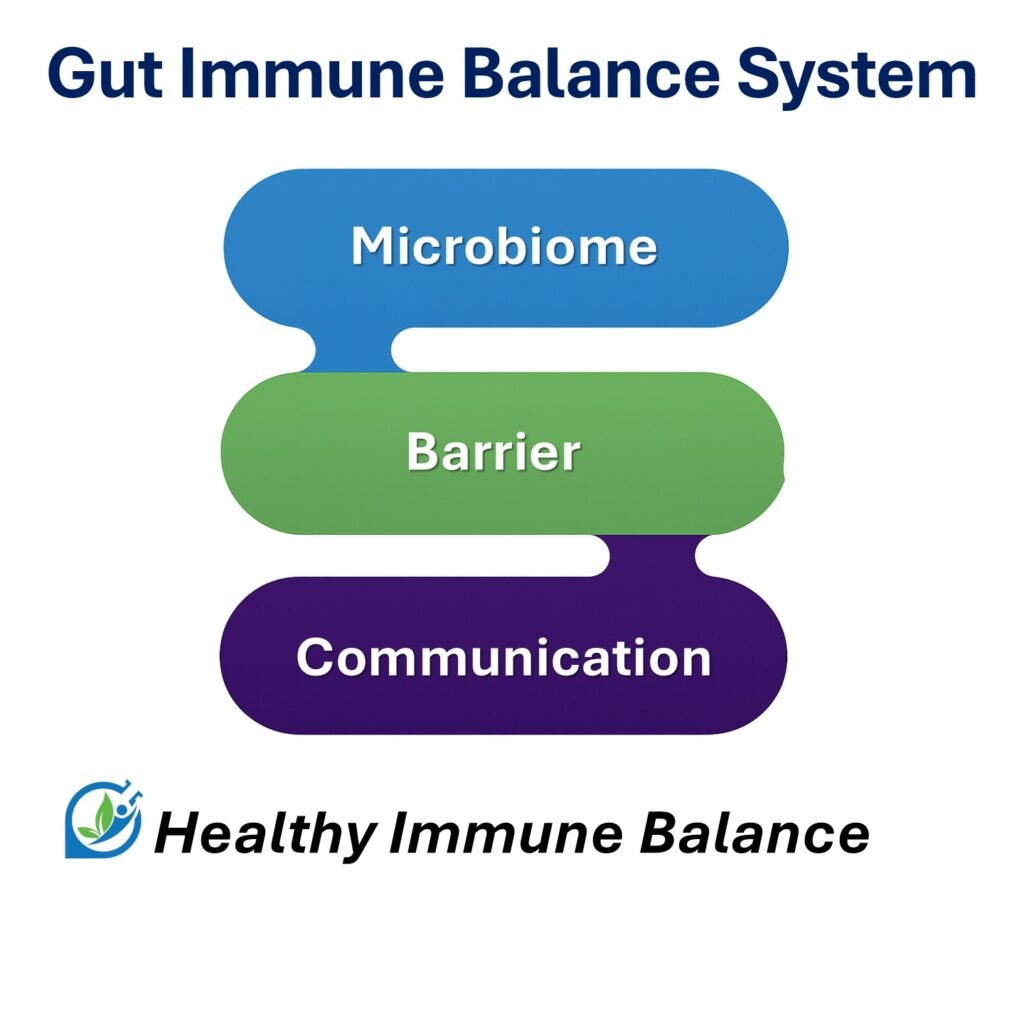
At Immune Vital Labs, we look beyond individual probiotic strains.
We consider the biological systems that connect gut health with immune function.
Duoflora is guided by our Gut Immune Balance System, built around three interconnected areas:
1. Gut Microbiome
The community of microorganisms living in your gut. A balanced microbial environment is an important part of maintaining gut health.
2. Gut Barrier
The intestinal lining acts as a protective interface between the contents of your gut and the rest of your body. Its integrity helps regulate what passes through this barrier.
3. Gut–Immune Communication
Your gut and immune system constantly interact. Signals from the gut environment help shape immune responses and maintain a balance between defense and tolerance.
Together, these three areas provide a framework for understanding the connection between gut health and immune balance.
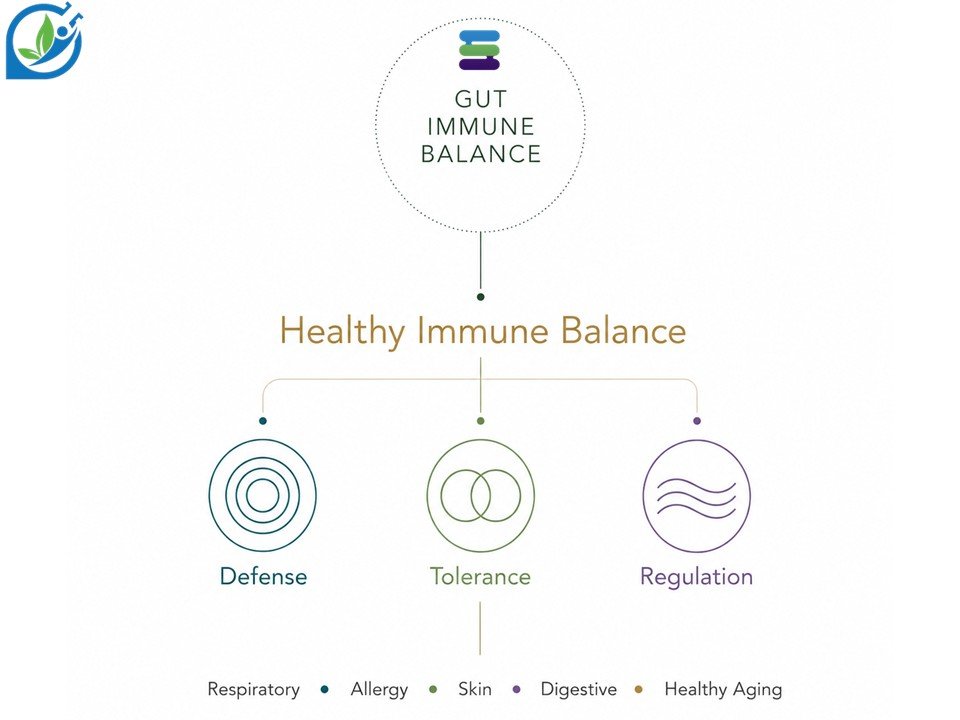
Discover the Gut Immune Balance System
What Does the Research Tell Us?
Research on probiotics has explored several aspects of the gut–immune relationship, from early-life microbiome development to digestive health and infection-related outcomes.
The following studies illustrate some of the research involving the strains found in Duoflora.
1. Early-Life Gut and Immune Development
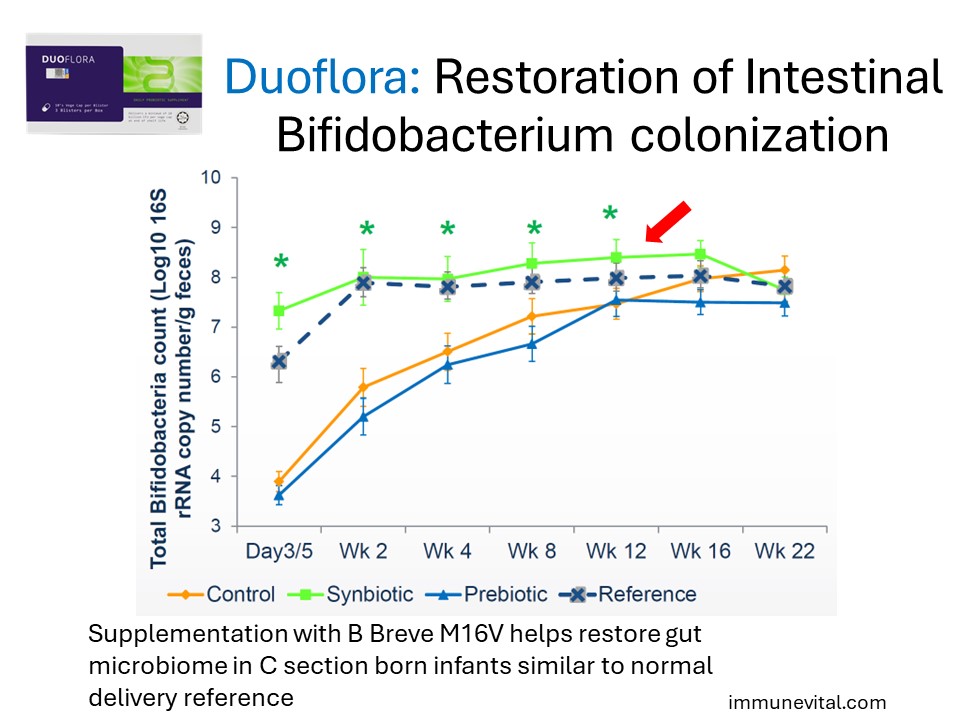
The gut microbiome begins developing from birth. The way it develops can be influenced by several factors, including mode of delivery and early feeding.
Infants born by Caesarean section can develop a different early gut microbiome compared with infants born vaginally.
In a randomized, double-blind study, researchers investigated a synbiotic formula containing Bifidobacterium breve M-16V together with specific prebiotics in Caesarean-born infants.
The study found that the combination helped promote the development of bifidobacteria and supported aspects of gut microbiome development that were closer to those observed in vaginally born infants.
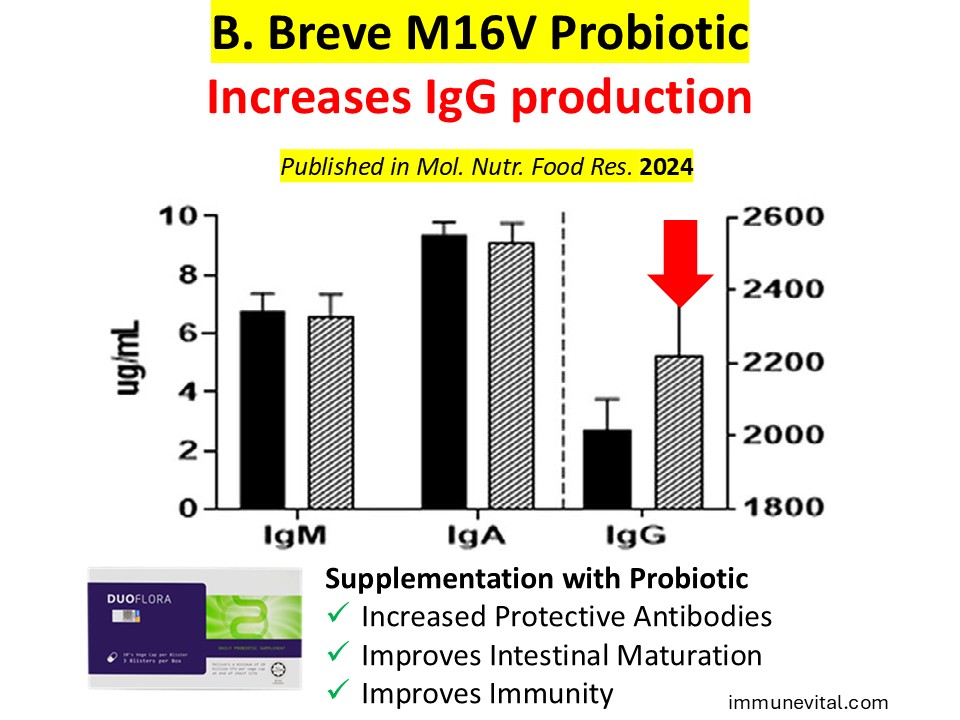
Further research has also explored M-16V during pregnancy and breastfeeding. In an animal study, maternal supplementation with M-16V and specific prebiotics influenced immune markers, gut barrier-related processes and breast milk composition.
Together, these studies highlight the importance of the gut environment during early life and the ongoing development of the immune system.
2. Gut Health in Premature Infants
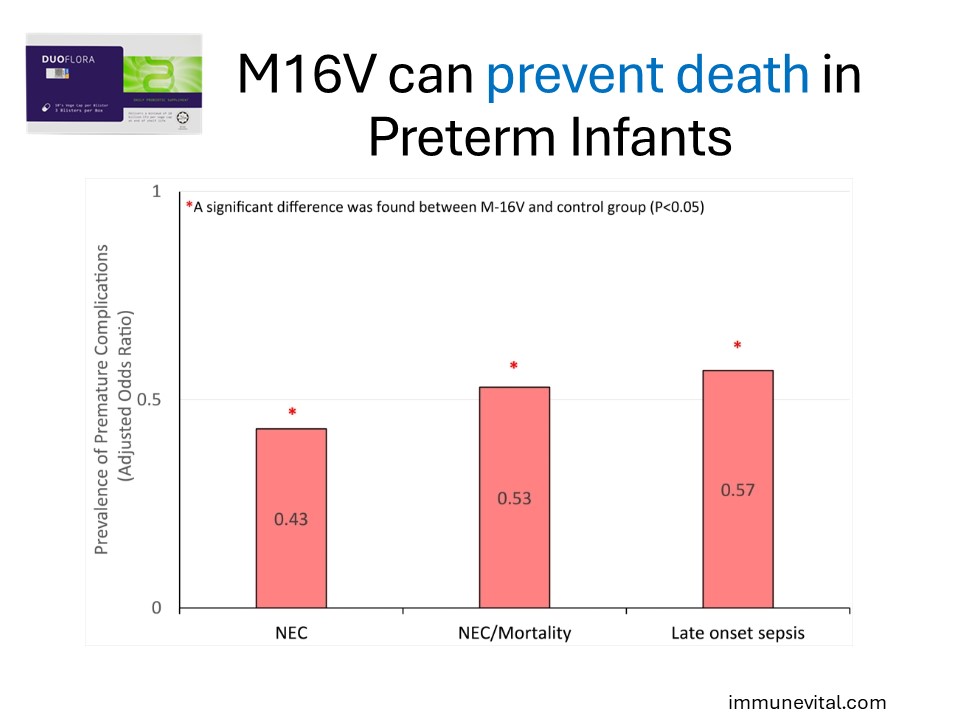
Premature infants have an immature intestinal system and are particularly vulnerable to gastrointestinal complications such as necrotizing enterocolitis (NEC).
A retrospective cohort study involving 1,755 preterm infants examined the introduction of routine Bifidobacterium breve M-16V supplementation in a neonatal unit.
Researchers reported a lower incidence of stage II or greater NEC after M-16V supplementation was introduced. The combined outcome of NEC or all-cause mortality was also lower.
This study highlights the importance of gut microbiome development and intestinal health in vulnerable newborns.
3. Infection and Digestive Health
The gut microbiome is closely connected to the body’s natural defense systems. Research has therefore explored whether specific probiotic strains may influence digestive and infection-related outcomes.
Hospital-acquired infections
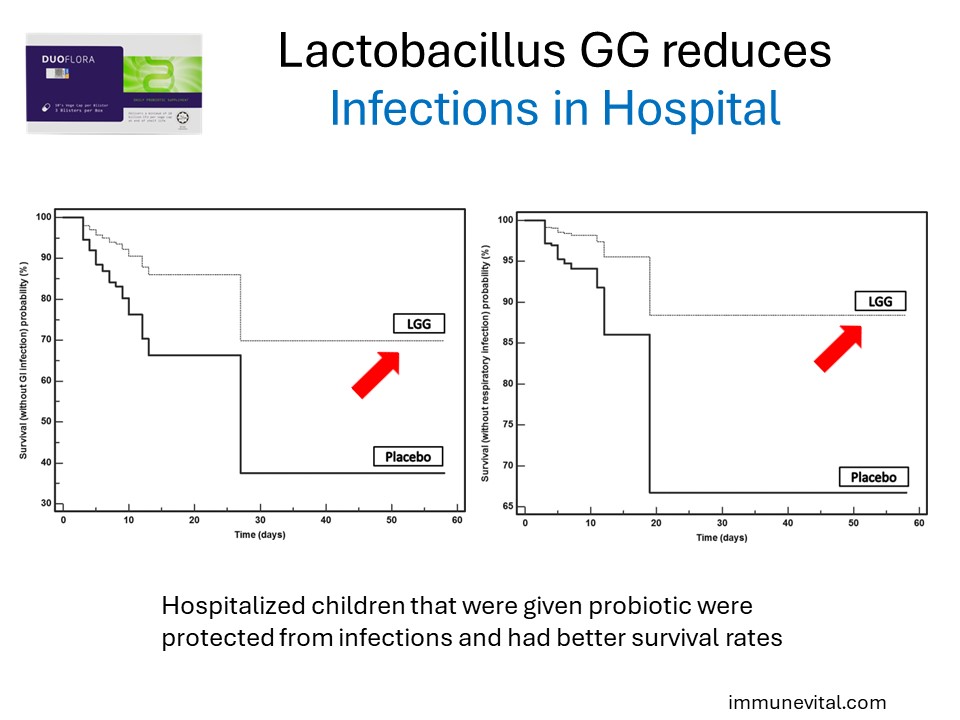
A randomized, double-blind, placebo-controlled study involving 742 hospitalized children investigated Lactobacillus rhamnosus GG (LGG).
The researchers reported lower risks of gastrointestinal and respiratory tract infections among children receiving LGG compared with those receiving placebo during their hospital stay.
Travelers’ diarrhea
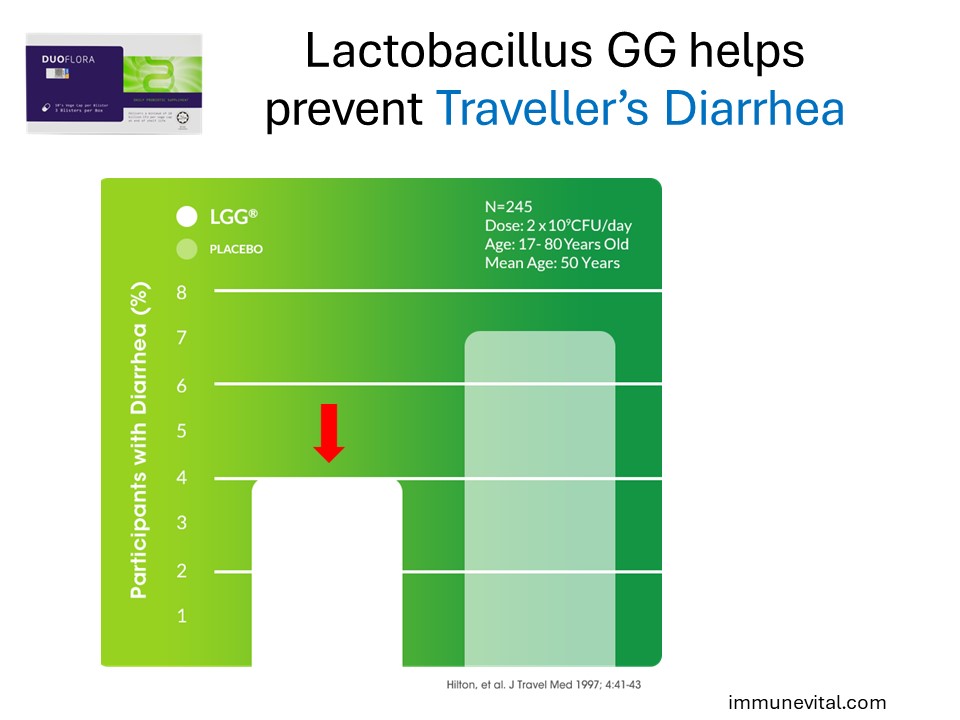
LGG has also been studied in relation to travel-associated digestive problems. In a placebo-controlled study involving travelers visiting developing countries, those taking Lactobacillus GG were approximately half as likely to experience diarrhea as those receiving placebo. The researchers also noted that the benefit appeared greater among travelers with a previous history of travelers’ diarrhea.
4. Metabolic Health
The gut microbiome is connected to more than digestion and immune function. It also plays a role in the body’s metabolic processes, including how the body handles energy, fats and glucose.
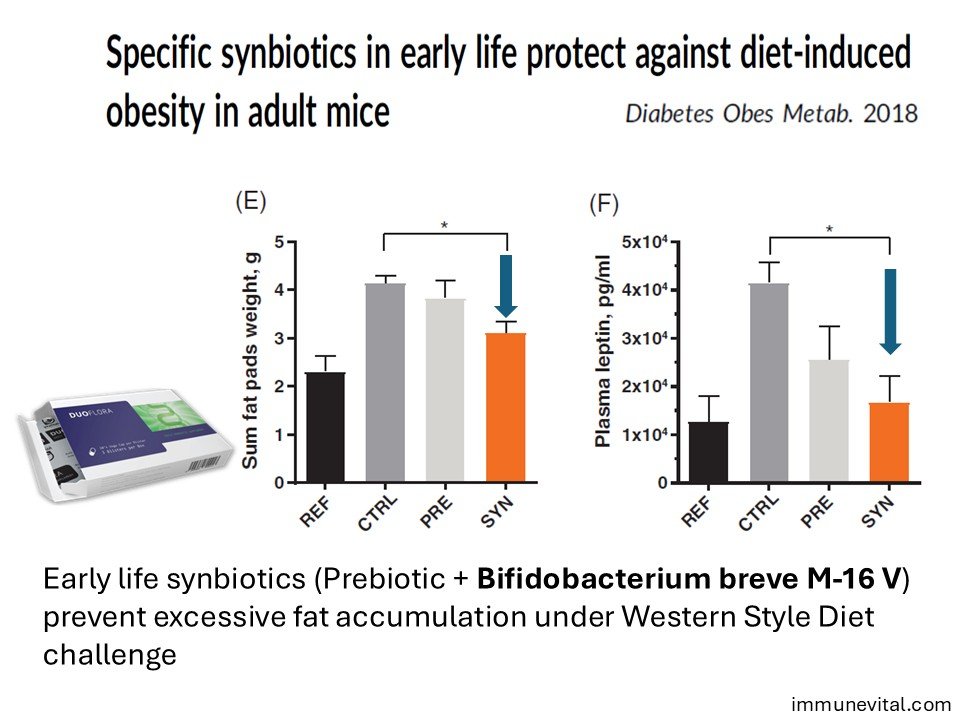
In an animal study, researchers investigated whether early-life supplementation with a specific synbiotic could influence metabolic health later in life. The combination contained Bifidobacterium breve M-16V together with specific prebiotics (scGOS/lcFOS).
Mice receiving the synbiotic during early life were better protected against excessive fat accumulation when subsequently exposed to a high-fat Western-Style Diet. Researchers also reported improvements in insulin sensitivity and blood lipid profiles in adulthood.
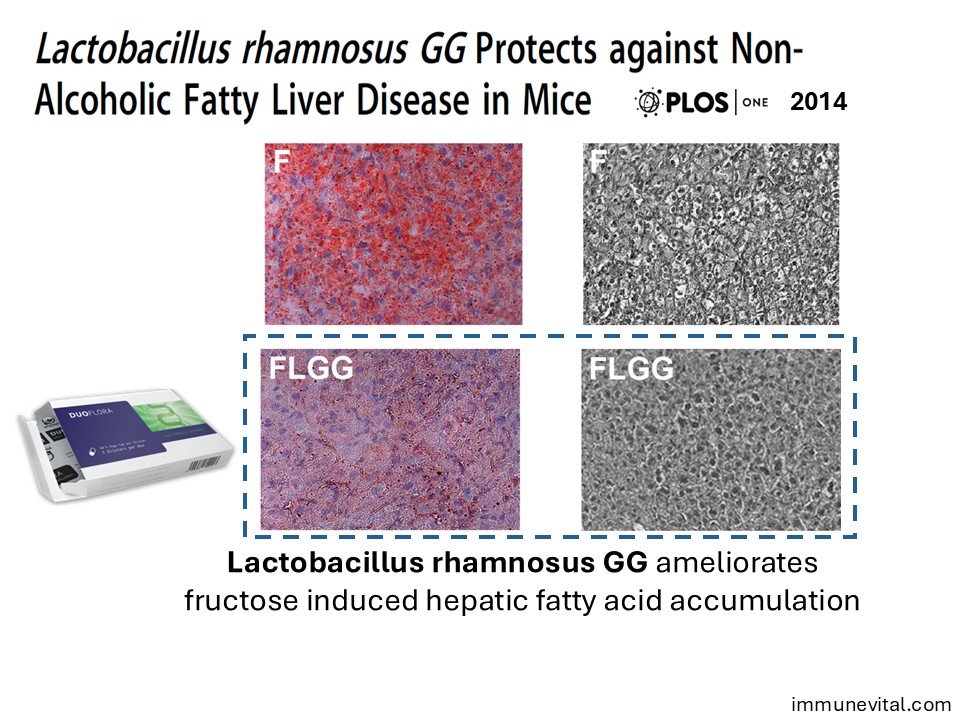
In another mouse study, researchers investigated Lactobacillus rhamnosus GG (LGG) in a model of high-fructose diet-induced fatty liver disease. LGG supplementation was associated with improved intestinal barrier function, reduced levels of bacterial endotoxin reaching the liver, and lower liver fat accumulation and liver injury markers.
Related Reading
Explore more about the research involving probiotics and specific areas of gut and immune health:
Support Your Gut. Understand Your Immune Health.

Your gut and immune system work together every day.
From early-life immune development to digestive health, infection responses and the changes that occur with ageing, the gut–immune relationship remains an important part of maintaining health.
Duoflora brings together two well-studied human-derived probiotic strains in a formulation guided by the Gut Immune Balance System.
Because a healthy immune system is a balanced one.
You are human. Your probiotic should be too.
References
Early-Life Gut and Immune Development
- Chua MC, Ben-Amor K, Lay C, Goh AEN, Chiang WC, Rao R, Chew C, Chaithongwongwatthana S, Khemapech N, Knol J, Chongsrisawat V. Effect of synbiotic on the gut microbiota of cesarean delivered infants: a randomized, double-blind, multicenter study. J Pediatr Gastroenterol Nutr. 2017 Jul;65(1):102-6. doi: 10.1097/MPG.0000000000001623.
- Sáez-Fuertes L, Kapravelou G, Grases-Pintó B, Massot-Cladera M, Bernabeu M, Knipping K, Garssen J, Bourdet-Sicard R, Castell M, Rodríguez-Lagunas MJ, Collado MC, Pérez-Cano FJ. Impact of maternal Bifidobacterium breve M-16V and scGOS/lcFOS supplementation during pregnancy and lactation on the maternal immune system and milk composition. Front Immunol. 2024 Jun 21;15:1418594. doi: 10.3389/fimmu.2024.1418594.
Gut Health in Premature Infants
- Patole SK, Rao SC, Keil AD, Nathan EA, Doherty DA, Simmer KN. Benefits of Bifidobacterium breve M-16V supplementation in preterm neonates: a retrospective cohort study. PLoS One. 2016 Mar 8;11(3):e0150775. doi: 10.1371/journal.pone.0150775.
Infection and Digestive Health
Hojsak I, Abdović S, Szajewska H, Milosević M, Krznarić Z, Kolacek S. Lactobacillus GG in the prevention of nosocomial gastrointestinal and respiratory tract infections. Pediatrics. 2010 May;125(5). doi: 10.1542/peds.2009-2568. Epub 2010 Apr 19.
- Hilton E, Kolakowski P, Singer C, Smith M. Efficacy of Lactobacillus GG as a Diarrheal Preventive in Travelers. J Travel Med. 1997 Mar 1;4(1):41-43. doi: 10.1111/j.1708-8305.1997.tb00772.x. PMID: 9815476.
Background: Gut Microbiome and Ageing
- Bosco N, Noti M. The aging gut microbiome and its impact on host immunity. Genes Immun. 2021 Oct;22(5-6):289-303. doi: 10.1038/s41435-021-00126-8. Epub 2021 Apr 19.
- Ghosh TS, Shanahan F, O’Toole PW. The gut microbiome as a modulator of healthy ageing. Nat Rev Gastroenterol Hepatol. 2022 Sep;19(9):565-84. doi: 10.1038/s41575-022-00605-x. Epub 2022 Apr 25.
Metabolic Health
- Mischke M, Arora T, Tims S, Engels E, Sommer N, van Limpt K, Baars A, Oozeer R, Oosting A, Bäckhed F, Knol J. Specific synbiotics in early life protect against diet-induced obesity in adult mice. Diabetes Obes Metab. 2018 Jun;20(6):1408-1418. doi: 10.1111/dom.13240. Epub 2018 Mar 5. PMID: 29460474; PMCID: PMC5969090.
- Ritze Y, Bárdos G, Claus A, Ehrmann V, Bergheim I, Schwiertz A, Bischoff SC. Lactobacillus rhamnosus GG protects against non-alcoholic fatty liver disease in mice. PLoS One. 2014 Jan 27;9(1):e80169. doi: 10.1371/journal.pone.0080169. PMID: 24475018; PMCID: PMC3903470.