



Food Allergy and the Gut Microbiome: Understanding Immune Tolerance

Food Allergy Affects Quality of Life
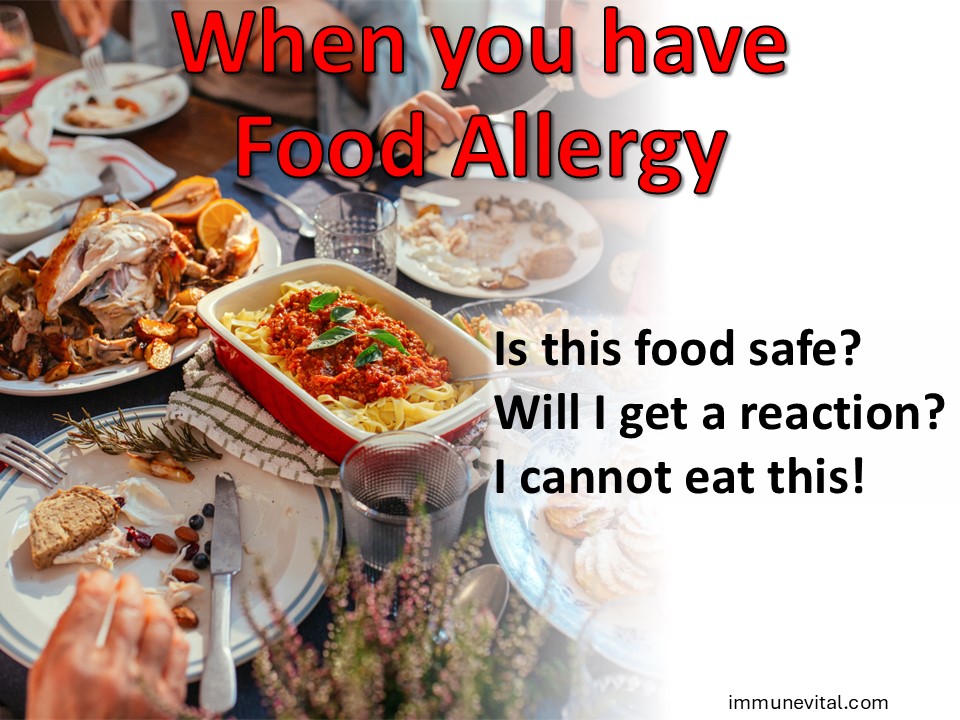
Imagine sitting down to a family dinner.
Everyone is enjoying the food, but you’re busy checking ingredients and wondering whether a dish is safe.
For families living with food allergies, this can be an everyday reality.
Food allergy is more than an unpleasant reaction to food.
Even a small exposure can sometimes cause a serious, potentially life-threatening reaction.
It can affect almost everything around eating, from grocery shopping and school lunches to birthday parties and family gatherings.
The Hidden Burden of Food Allergies
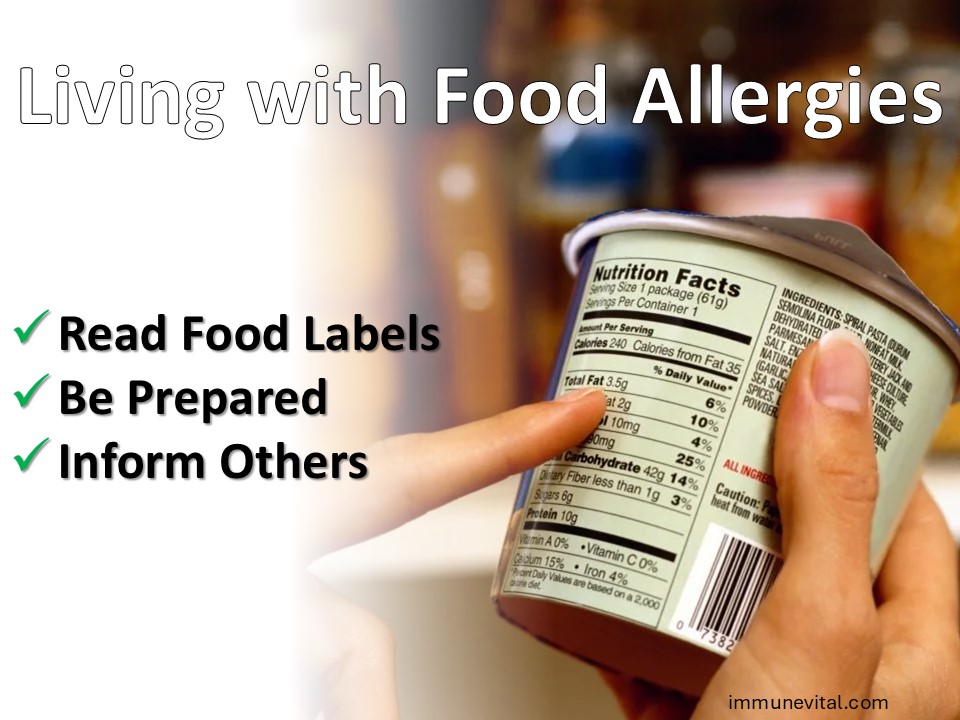
Living with food allergies means staying alert.
You check labels every time. You ask about ingredients. You worry about cross-contact.
Even familiar foods may need a second look because ingredients and manufacturing practices can change.
For parents, that responsibility can be exhausting.
Something as ordinary as a school lunch or a meal with friends may require careful planning.
When you live with food allergies, checking isn’t just a habit. It’s part of keeping your family safe.
Why Are Scientists Looking at the Gut?
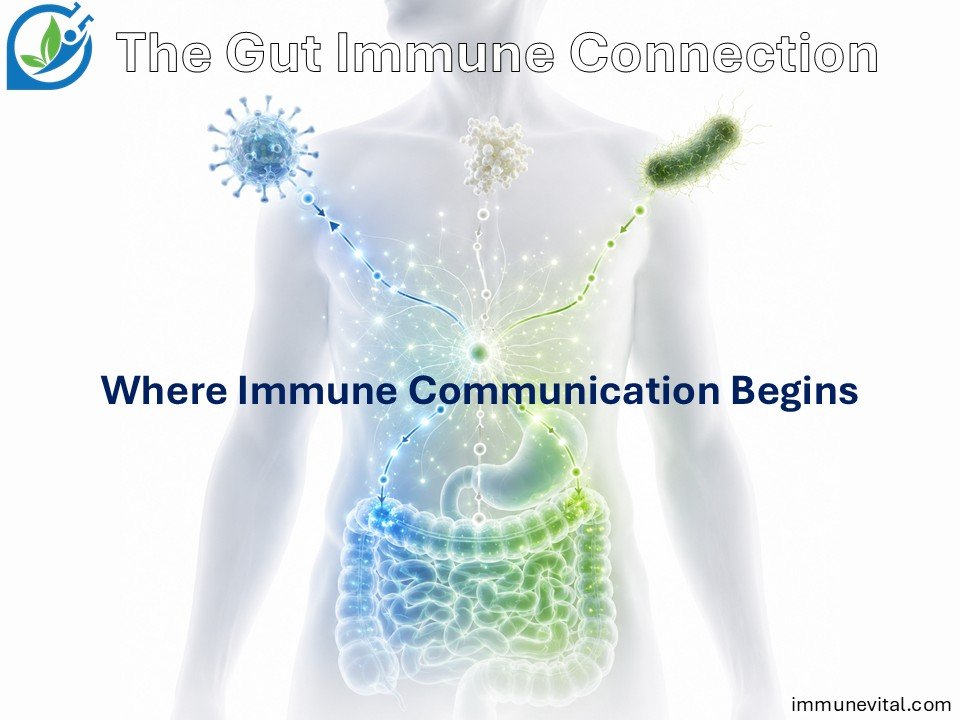
Your gut does more than digest food. It also helps your immune system learn what to tolerate and what to defend against.
Normally, the immune system learns to recognize food proteins as harmless.
In food allergy, this process goes wrong, and the immune system mistakenly reacts to a food as a threat.
The gut microbiome plays an important role in this process.
Its microorganisms interact with the gut barrier and immune system, helping shape how immune responses develop.
This is why scientists are studying how the gut microbiome may influence immune tolerance and food allergy.
Learn About Gut Immune Tolerance →
The Gut Immune Balance System
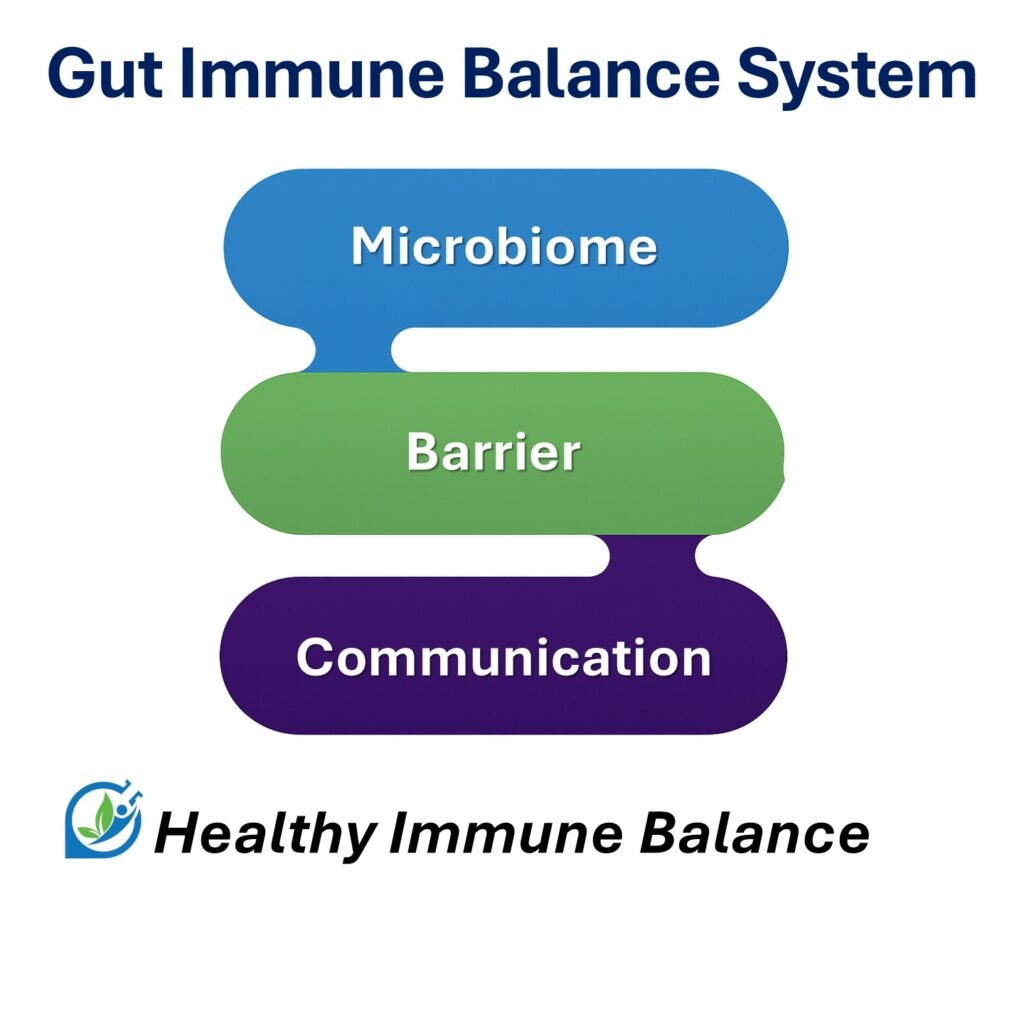
The relationship between the gut and immune system involves three connected areas:
- Gut Microbiome — the microorganisms living in the gut.
- Gut Barrier — the intestinal lining that helps regulate what passes through.
- Gut–Immune Communication — the interaction between the gut environment and the immune system.
Together, these three areas make up Immune Vital Labs’ Gut Immune Balance System.
Duoflora is formulated around this system, combining two Human Strain Probiotics: Lactobacillus rhamnosus GG (LGG) and Bifidobacterium breve M-16V.
Want to understand how these three areas work together?
Explore the Gut Immune Balance System →
What Does the Research Tell Us?
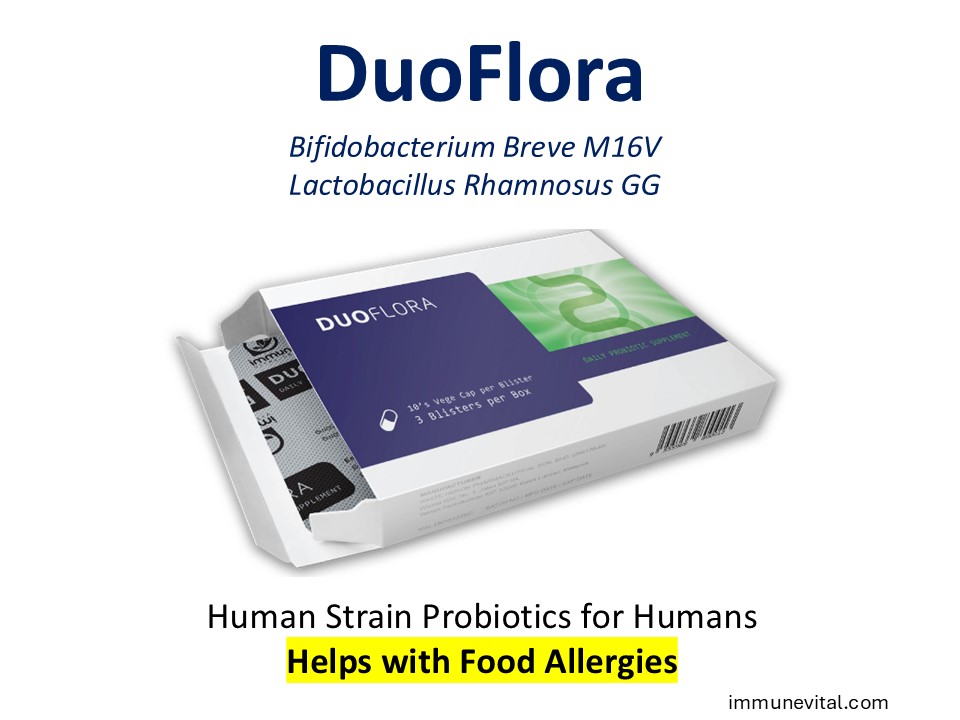
Researchers have investigated both of Duoflora’s probiotic strains in studies involving the gut and immune system, including research related to food allergy.
Bifidobacterium breve M-16V
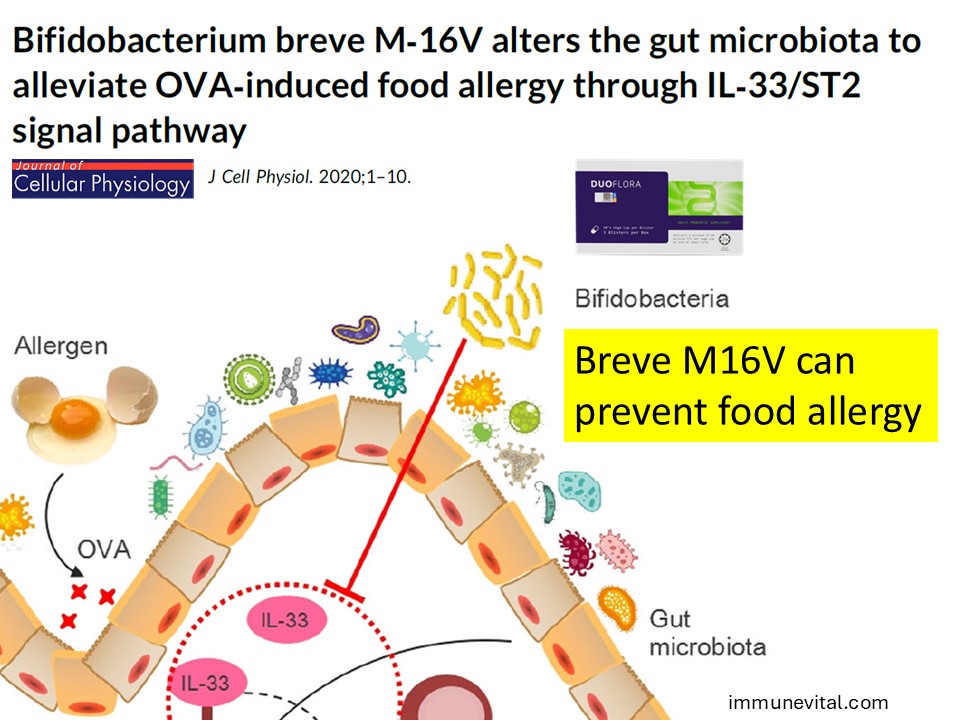
A 2020 study investigated M-16V in mice with experimentally induced food allergy. The researchers found changes in the gut microbiome and reduced allergy-related responses, examining the role of the IL-33/ST2 signalling pathway.
This research adds to scientific interest in how the gut microbiome may influence allergic responses.
Lactobacillus rhamnosus GG (LGG)
Babies with severe milk allergies (FPIES)
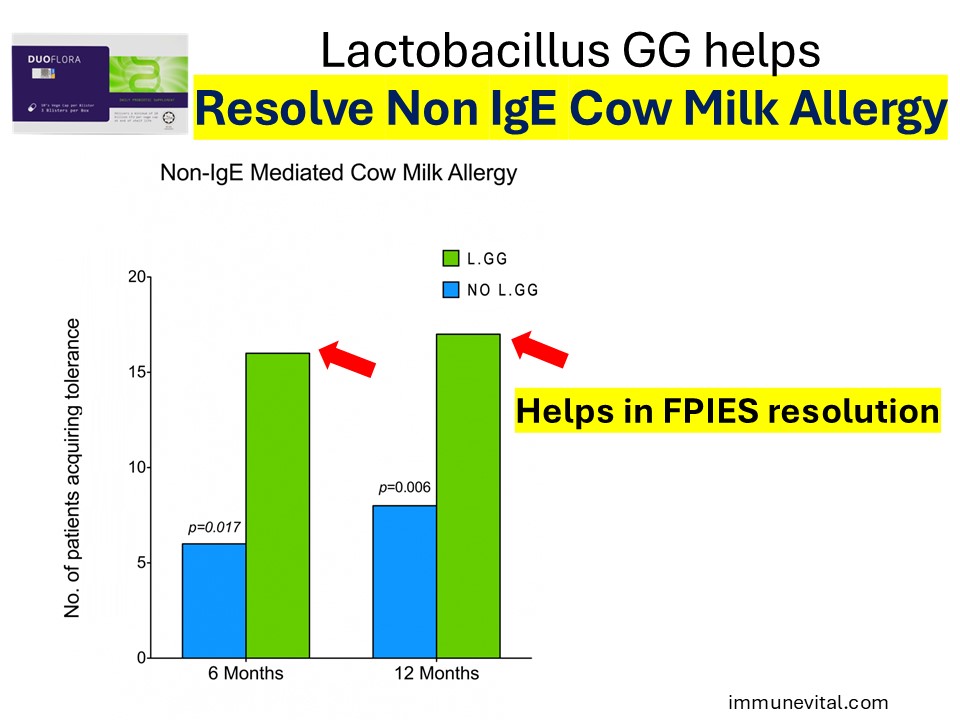
In a study with babies who had severe type of non IgE food allergy to cow’s milk called FPIES, adding Lactobacillus rhamnosus GG to their formula helped them develop tolerance to cow’s milk faster.
Children “outgrowing” cow milk allergies
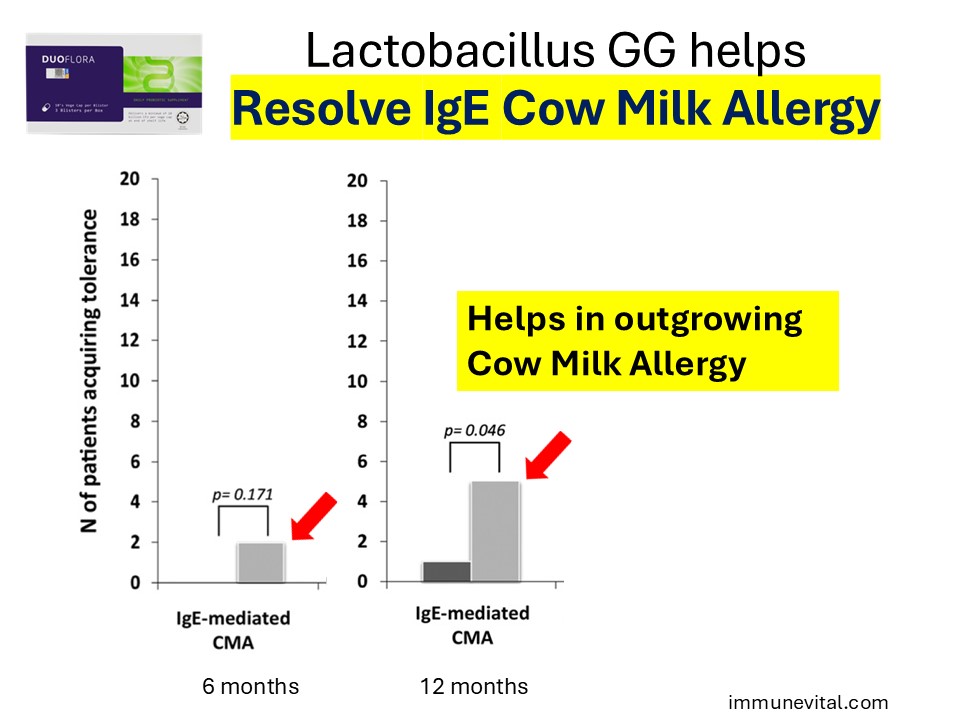
In a study involving infants with IgE-mediated cow’s-milk allergy, those who received an extensively hydrolyzed casein formula containing LGG achieved cow’s-milk tolerance more frequently over the study period than those who received the formula without LGG.
Building food tolerance
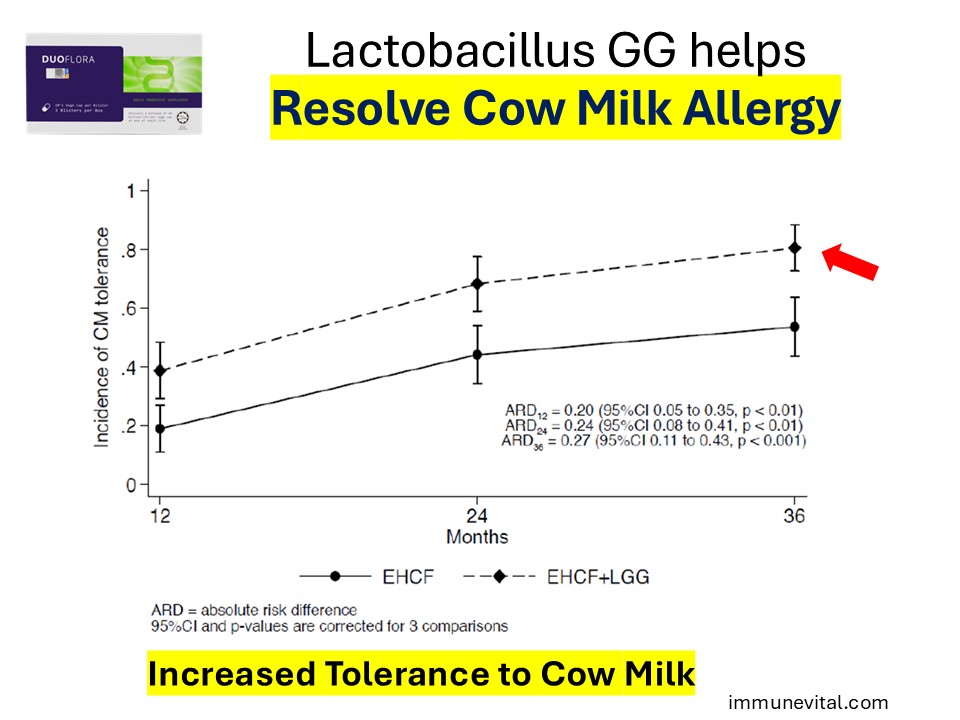
In a three-year randomized controlled trial involving children with IgE-mediated cow’s-milk allergy, researchers found that an extensively hydrolyzed casein formula containing LGG was associated with improved resolution of cow’s milk allergy.
What Does This Mean for Duoflora?

Research into the gut microbiome and immune system continues to deepen our understanding of allergic conditions.
Duoflora brings together two well-studied Human Strain Probiotics, LGG and M-16V, in a formulation guided by the Gut Immune Balance System.
For more information about food allergy treatment options, including food immunotherapy:
Food Immunotherapy as a Treatment for Food Allergy →
References:
Li N, Yu Y, Chen X, Gao S, Zhang Q, Xu C. Bifidobacterium breve M-16V alters the gut microbiota to alleviate OVA-induced food allergy through IL-33/ST2 signal pathway. J Cell Physiol. 2020 Dec;235(12):9464-9473.
Canani RB et al. Effect of Lactobacillus GG on tolerance acquisition in infants with cow’s milk allergy- A randomized trial. J Allergy Clin Immunol 2012;129(2):580-582
Berni Canani R et al. Extensively hydrolyzed casein formula containing Lactobacillus rhamnosus GG reduces the occurrence of other allergic manifestations in children with cow’s milk allergy: 3-year randomized controlled trial. J Allergy Clin Immunol. 2017 Jun;139(6):1906-1913.e4.